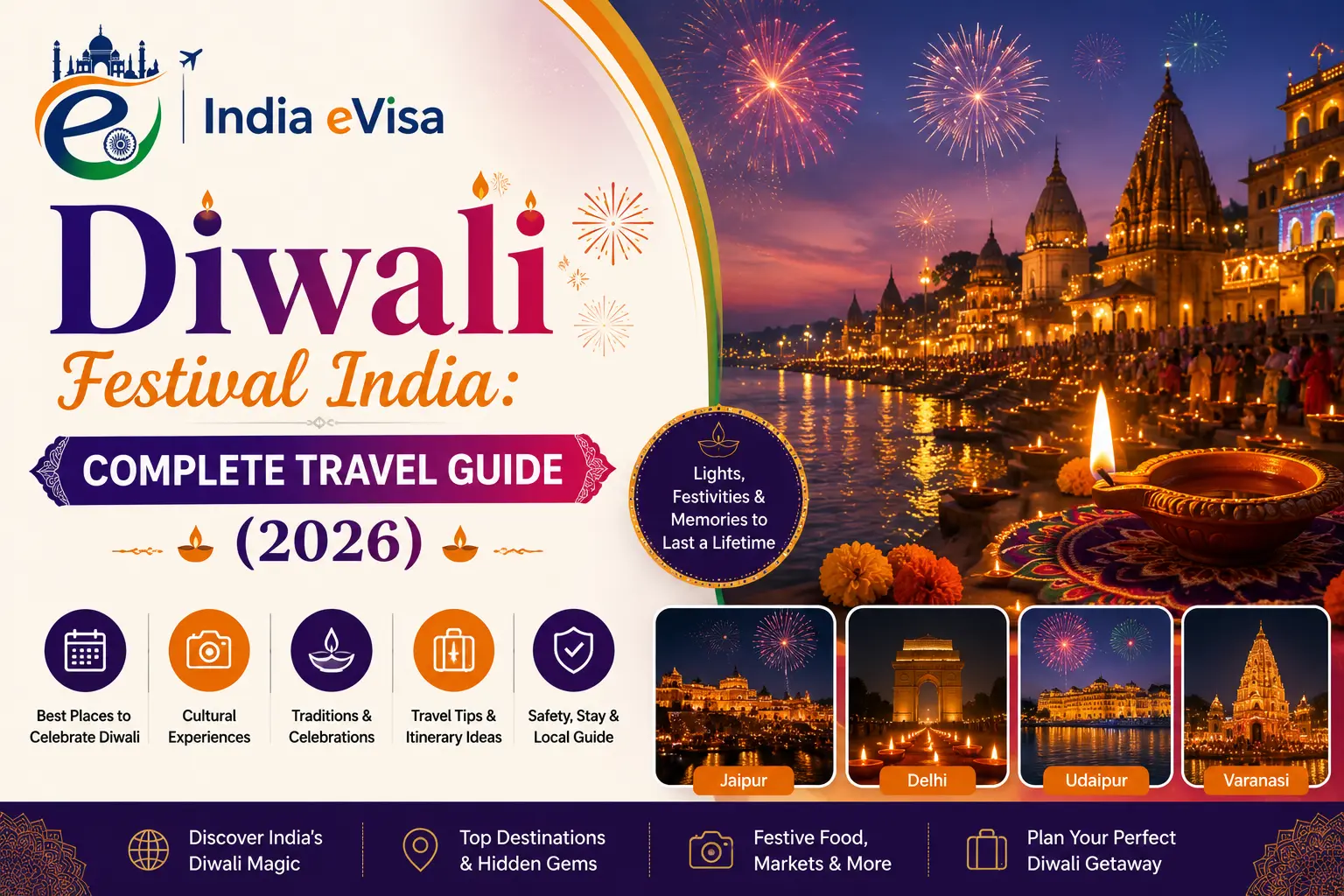
Few festivals in the world are as vibrant and captivating as the Diwali Festival India celebrates each year. Known as the "Festival of Lights," Diwali transforms cities, villages, temples, and homes into dazzling displays of lamps, lanterns, fireworks, and colourful decorations. For international travellers, it offers a unique opportunity to experience India's rich cultural heritage, warm hospitality, and festive traditions.
If you're planning to visit India during this special time, it's important to prepare in advance. From understanding the significance of the festival to choosing the best destinations and arranging your travel documents, this guide covers everything you need to know. Before making your travel plans, eligible travellers should also apply India eVisa online to ensure a smooth and hassle-free journey.
What Is Diwali?
Diwali, also known as Deepavali, is India's most widely celebrated festival. The word "Deepavali" comes from the Sanskrit words deepa (lamp) and avali (row), meaning "a row of lights." The festival symbolises the victory of light over darkness, good over evil, and knowledge over ignorance.
For millions of people across India, Diwali is not only a religious festival but also a time to strengthen family bonds, exchange gifts, prepare festive meals, and welcome prosperity into their homes. Streets are decorated with colourful lights, homes are cleaned and adorned with rangoli designs, and communities gather to celebrate with prayers and cultural performances.
Why Visit India During Diwali?
Experiencing the Diwali Festival India is unlike visiting the country at any other time of the year. The festive atmosphere can be felt everywhere—from bustling city markets and beautifully decorated temples to neighbourhood celebrations and traditional performances.
Visitors can witness:
- Thousands of oil lamps illuminating homes and temples.
- Colourful fireworks displays in many cities.
- Traditional music and dance performances.
- Special Diwali markets and shopping festivals.
- Delicious festive sweets and regional delicacies.
- Beautiful rangoli (decorative floor art) at homes and public spaces.
For photographers, culture enthusiasts, and first-time visitors, Diwali offers countless memorable experiences.
The Story Behind Diwali
Although Diwali is celebrated in different ways across India, one of the most well-known traditions is linked to the return of Lord Rama to Ayodhya after defeating Ravana, as described in the epic Ramayana. According to tradition, people lit rows of oil lamps to welcome him home after fourteen years of exile.
Different regions and communities also associate Diwali with Goddess Lakshmi, the goddess of wealth and prosperity, Lord Krishna's victory over Narakasura, or other important religious and historical events. This diversity of traditions makes Diwali one of India's most culturally rich festivals.
When Is Diwali Celebrated?
Diwali is celebrated every year between October and November, depending on the Hindu lunar calendar. The festival usually lasts for five days, with each day carrying its own significance.
The main day of Diwali is devoted to prayers for Goddess Lakshmi and Lord Ganesha, when families gather to perform rituals, exchange gifts, and celebrate together.
If you plan to visit during this period, book your flights and accommodation well in advance, as it is one of India's busiest travel seasons.
Best Places to Celebrate Diwali in India
One of the highlights of travelling during Diwali is that every destination celebrates the festival differently. Each city offers its own unique atmosphere and traditions.
Ayodhya, Uttar Pradesh
Ayodhya is considered one of the most iconic places to celebrate Diwali. The city is famous for its spectacular display of millions of oil lamps, creating a breathtaking sight that attracts visitors from around the world. Cultural performances, grand processions, and religious ceremonies make Ayodhya a must-visit destination during the festival.
Jaipur, Rajasthan
Jaipur is renowned for its beautifully decorated markets and illuminated streets. Shopping areas compete to create the most impressive lighting displays, making evening walks through the Pink City especially magical during Diwali.
Varanasi, Uttar Pradesh
One of India's oldest cities, Varanasi offers a spiritual Diwali experience. Visitors can witness evening Ganga Aarti ceremonies, beautifully lit ghats, and floating lamps on the River Ganges that create a peaceful and unforgettable atmosphere.
Delhi
India's capital comes alive with festive lights, shopping festivals, cultural events, and beautifully decorated neighbourhoods. Major markets such as Connaught Place and Chandni Chowk are especially lively during Diwali.
Amritsar, Punjab
The Golden Temple becomes even more spectacular during Diwali as thousands of lights reflect across the sacred pool. The celebrations combine spirituality with stunning visual beauty.
Traditional Diwali Celebrations
Every family celebrates Diwali slightly differently, but some traditions are common throughout India.
Homes are thoroughly cleaned before the festival to welcome prosperity. Families decorate entrances with colourful rangoli patterns and light clay lamps known as diyas. Evening prayers, known as Lakshmi Puja, are performed to seek blessings for happiness and success.
People also exchange sweets, gifts, and festive greetings with relatives, friends, and neighbours. In many areas, fireworks light up the night sky, although travellers should always follow local safety guidelines and regulations.
What to Eat During Diwali
Food plays an important role in Diwali celebrations. Families prepare a variety of traditional sweets and savoury snacks that are shared with guests and loved ones.
Popular festive treats include:
- Gulab Jamun
- Kaju Katli
- Laddu
- Barfi
- Jalebi
- Rasgulla
- Gujiya
- Chakli
- Namak Pare
Many restaurants also offer special Diwali menus featuring regional festive dishes, making it an excellent time to explore India's diverse cuisine.
Shopping During Diwali
Diwali is considered one of the biggest shopping seasons in India. Markets and shopping centres offer festive decorations, clothing, jewellery, handicrafts, home décor, and traditional gifts.
Popular items purchased during Diwali include:
- Traditional Indian clothing
- Handmade diyas
- Decorative lanterns
- Silver and gold jewellery
- Handcrafted souvenirs
- Festive sweets
- Decorative rangoli materials
Many travellers enjoy shopping during this season because of the lively atmosphere and wide variety of products available.
Travel Tips for Visiting India During Diwali
Since Diwali is one of India's busiest holiday periods, planning ahead is essential.
Book your flights and accommodation several weeks or even months in advance, as hotels often fill up quickly. Carry comfortable clothing suitable for the local weather, and be prepared for larger crowds at popular tourist attractions.
If you are sensitive to loud noises or smoke from fireworks, consider choosing accommodation slightly away from the busiest city centres. Respect local customs when visiting temples, and dress modestly during religious ceremonies.
Most importantly, keep your passport, travel insurance, hotel bookings, and approved India eVisa easily accessible throughout your journey.
How to Apply India eVisa Online Before Your Trip
Before travelling to experience the Diwali Festival India, eligible foreign nationals should apply India eVisa online well in advance of their departure.
The application process is simple and can usually be completed in a few steps:
Complete the online application form by entering your personal details, passport information, and travel plans.
Upload the required documents, including your passport's biographical page and a recent passport-style photograph. Depending on your visa category, additional supporting documents may also be required.
Review your application carefully to ensure all information matches your passport exactly.
Pay the applicable visa fee using the available secure online payment options.
Once approved, your Electronic Travel Authorization (ETA) will be sent to your registered email address. Print a copy and carry it with your passport when travelling to India.
Applying early gives you enough time to receive your visa before the busy Diwali travel season.
Common Mistakes to Avoid
Many first-time visitors make avoidable mistakes when travelling during Diwali.
Avoid:
- Waiting until the last minute to book flights.
- Applying for your India eVisa too close to your departure date.
- Forgetting printed copies of important travel documents.
- Underestimating traffic and crowds during festival days.
- Ignoring local customs at temples and religious sites.
Planning ahead will help you enjoy the celebrations without unnecessary stress.
Frequently Asked Questions
Is Diwali a good time to visit India?
Yes. Diwali is one of the best times to experience India's culture, traditions, food, and festive atmosphere. However, because it is a peak travel season, booking early is strongly recommended.
When should I apply India eVisa online for Diwali?
You should apply India eVisa online as soon as your travel dates are confirmed. Applying early allows sufficient time for processing before the festival begins.
Which city is best for celebrating Diwali?
Ayodhya, Jaipur, Varanasi, Delhi, and Amritsar are among the most popular destinations, each offering a unique Diwali experience.
What should I wear during Diwali?
Comfortable clothing is suitable for sightseeing, while modest attire is recommended when visiting temples and participating in religious ceremonies. Many visitors also enjoy wearing traditional Indian clothing during the celebrations.
Final Thoughts
The Diwali Festival India is much more than a celebration of lights—it is a cultural experience that brings together history, spirituality, family traditions, and joyful festivities. From the glowing diyas of Ayodhya and the illuminated streets of Jaipur to the spiritual atmosphere of Varanasi and the vibrant markets of Delhi, every destination offers something unforgettable.
If you're planning to experience Diwali in India, organise your journey well in advance. Book your flights and accommodation early, prepare your travel documents, and apply India eVisa online before your departure. With thoughtful planning, you'll be ready to enjoy one of the world's most spectacular festivals and create memories that will last a lifetime.